



The story behind every jar.
A hollow that keeps its own time.
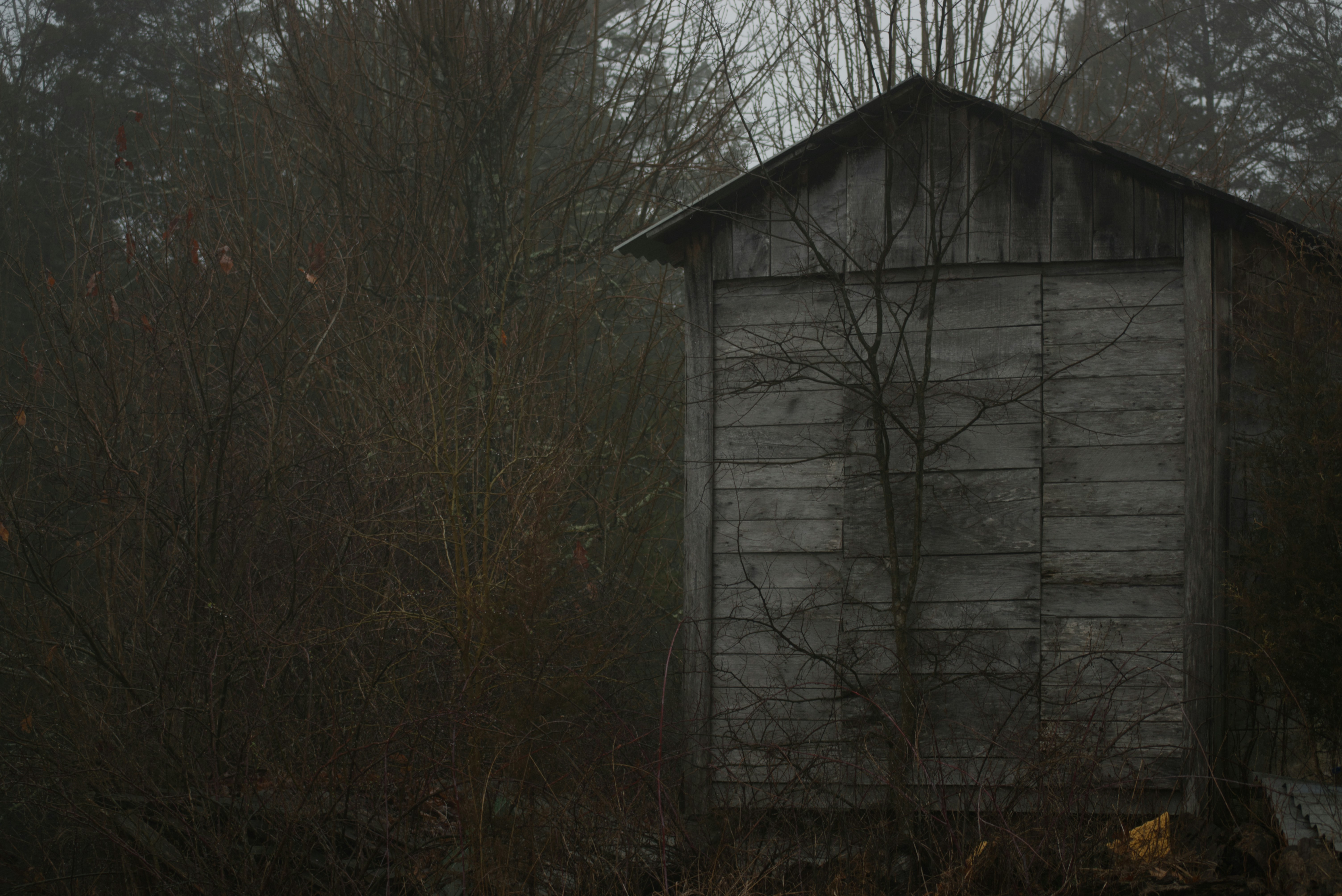
Tucked below a limestone ridge in the Cumberland foothills, the hollow stays ten degrees cooler than the valley floor. Corn grew here before anyone named it. The soil is thin and rocky and honest — the kind that forces a plant to reach hard for what it needs. That tension ends up in the grain.
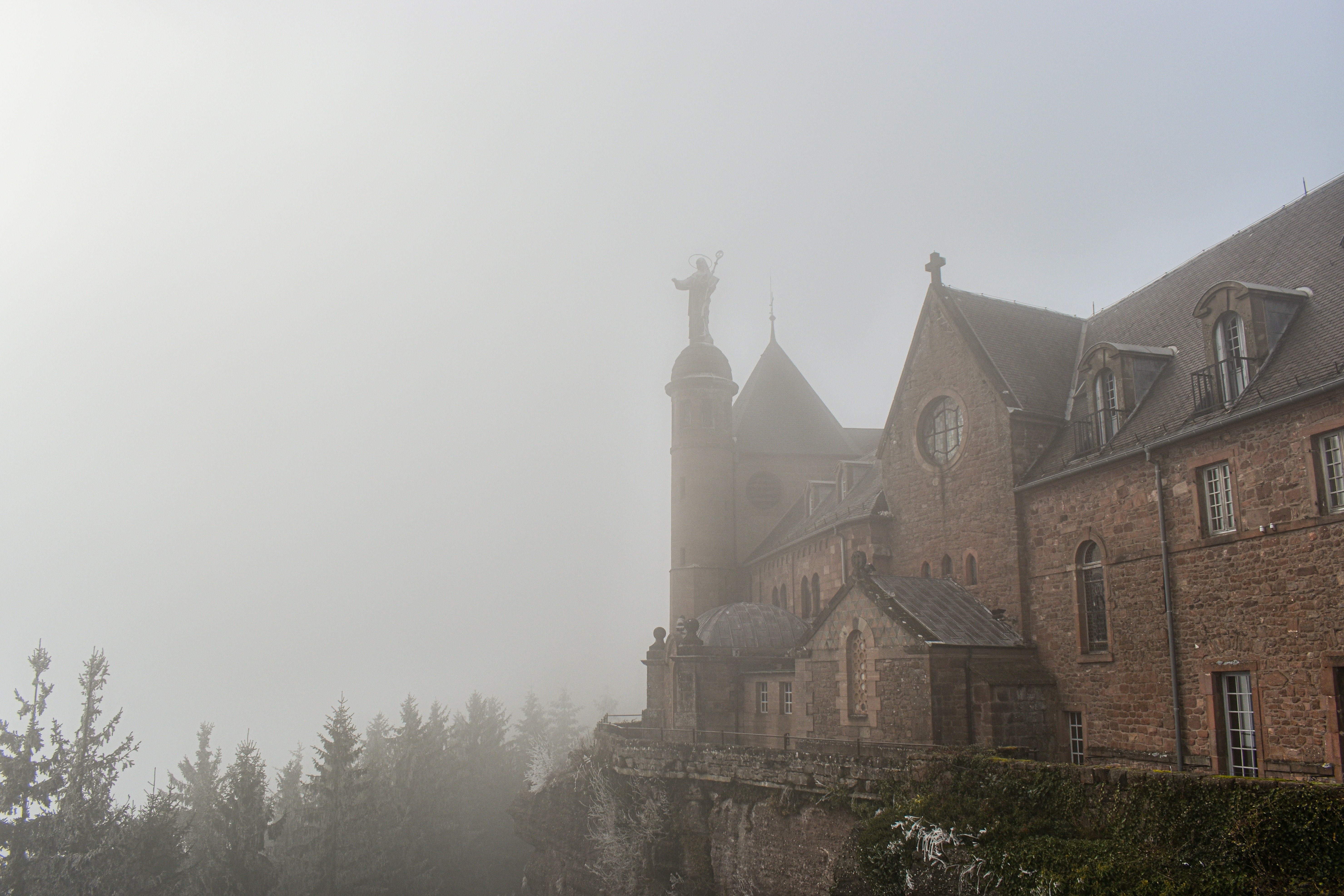

Filtered through forty feet of limestone before it touches the mash.
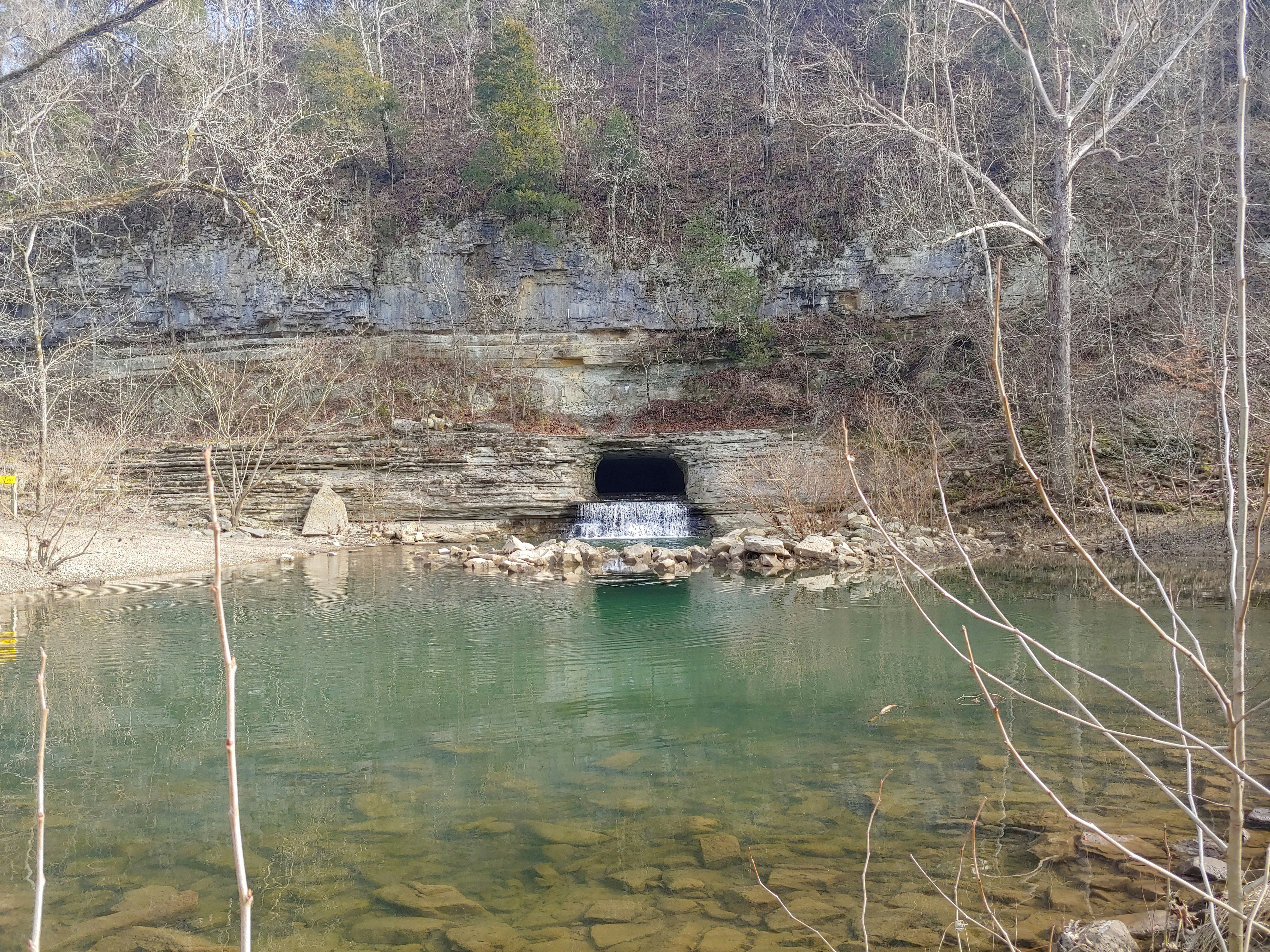
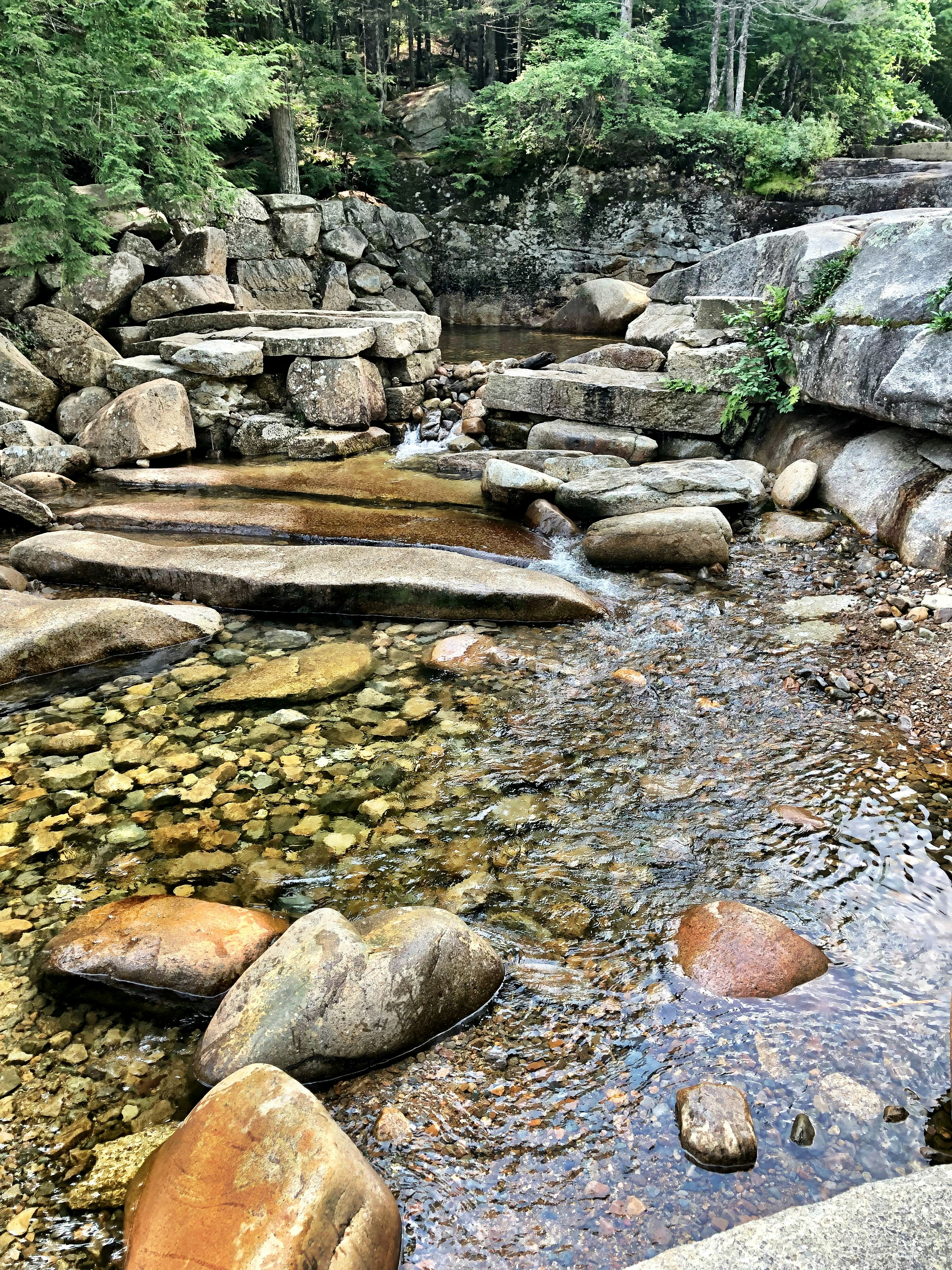
The spring runs year-round from a fissure in the ridge. It's calcium-heavy and iron-free — exactly what fermentation wants. We don't treat it. We don't filter it. We let it arrive the way it always has, cold and tasting faintly of the stone it passed through. That mineral note is the first thing a careful drinker finds.
Three generations of knowing when to leave it alone.
Harlan Mabry started with a single pot still in 1971, a recipe he wouldn't write down, and a handshake understanding with a handful of local restaurants. His daughter Cora formalized the operation in 2009. Her son Eli is the one numbering jars today. The recipe hasn't changed. The grease pencil hasn't either.
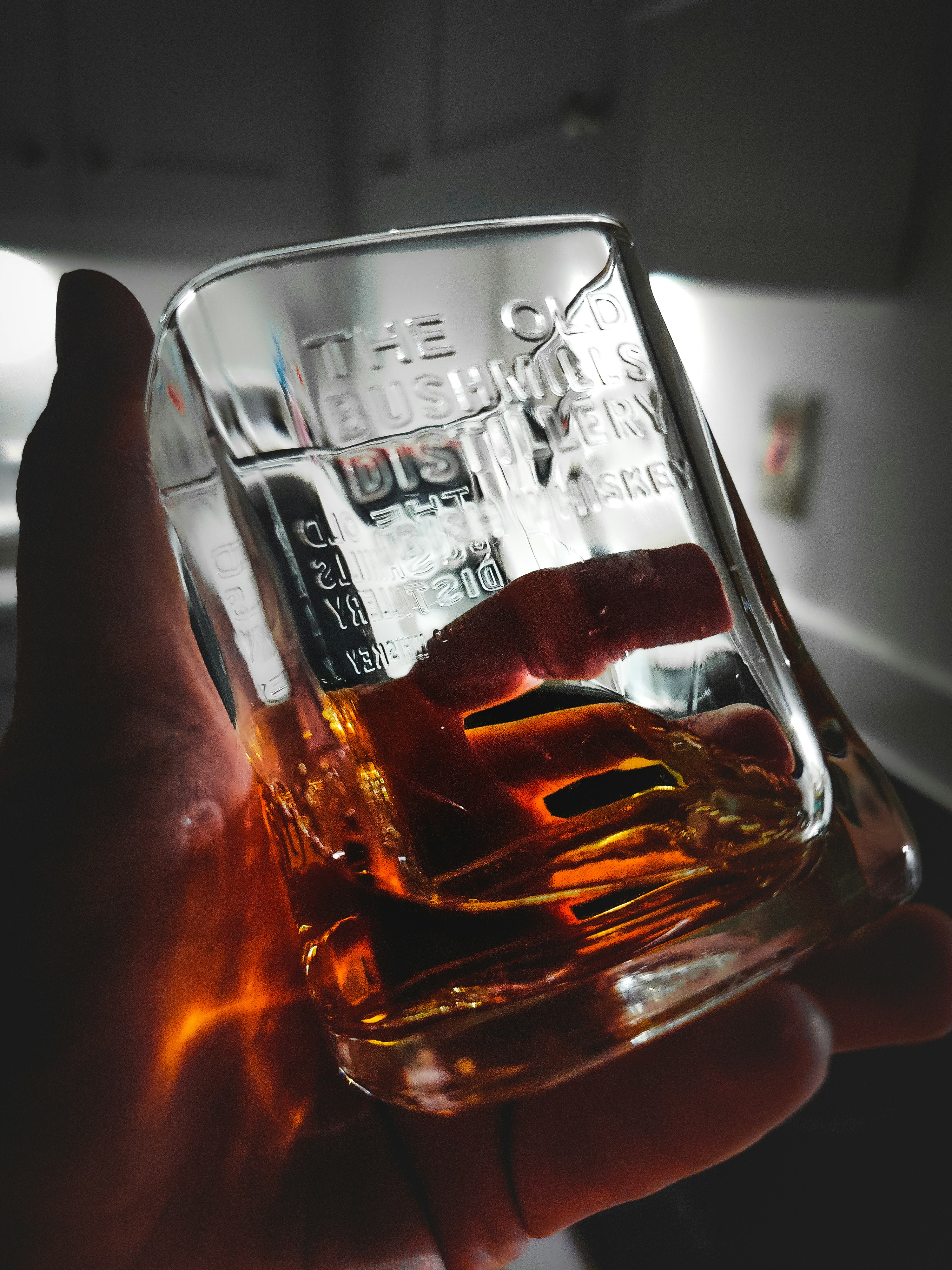
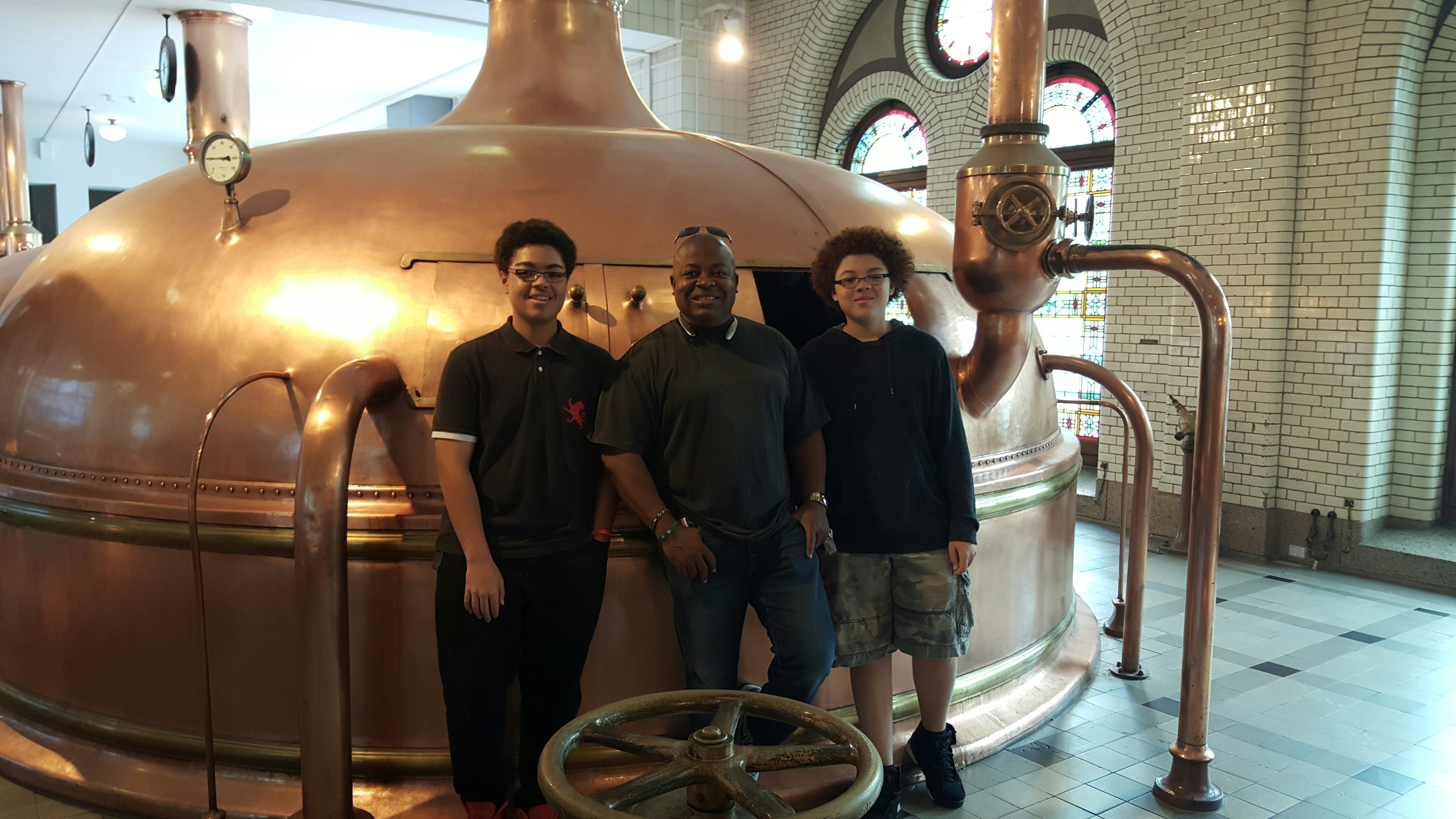
One pot still. No shortcuts.
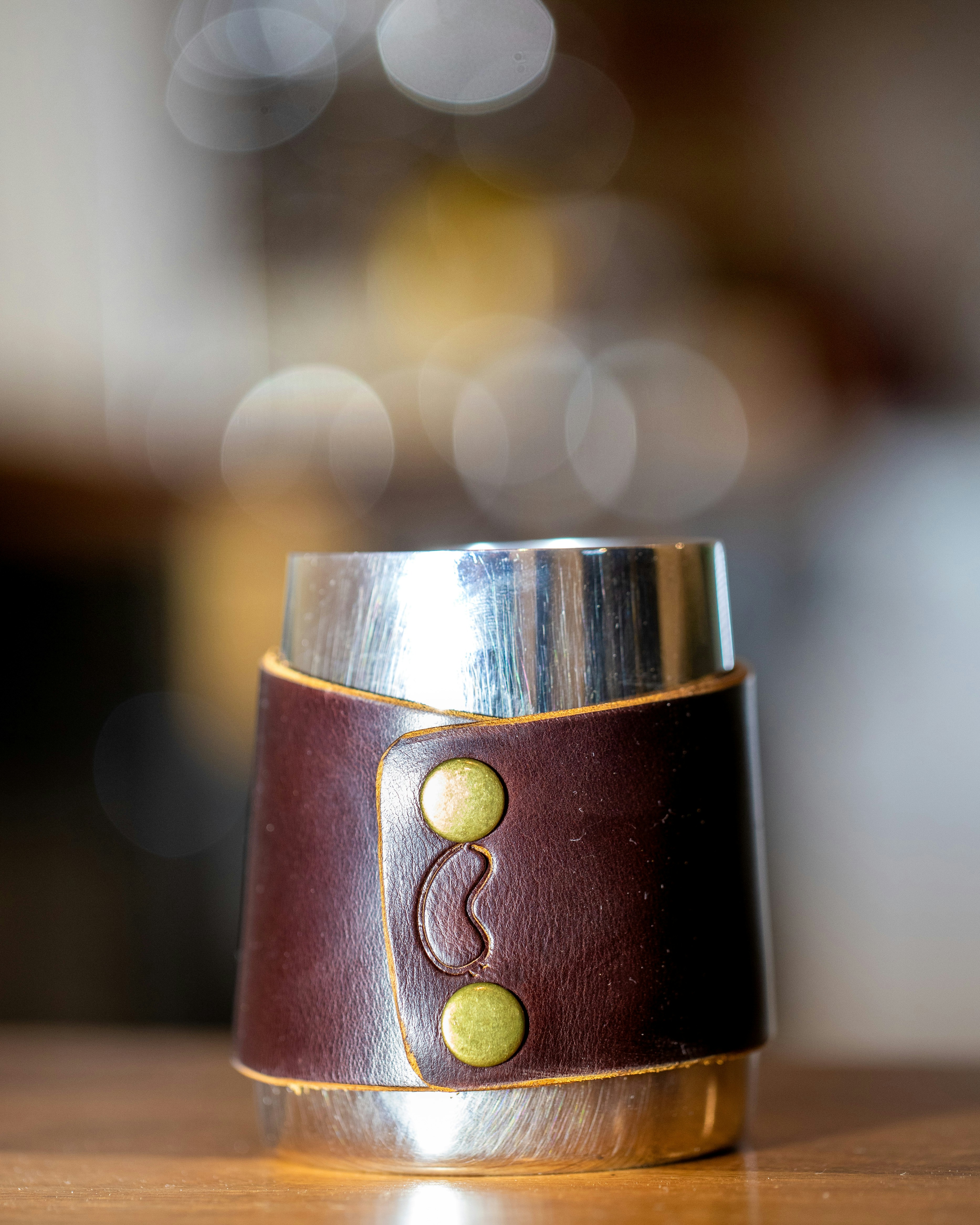
The main still is a 250-gallon hand-hammered pot that Harlan bought from a retiring Kentucky distiller in 1978. The copper has been re-riveted twice. It runs slowly — eight hours for a full charge — because speed is how you lose the quiet notes. Every batch is a single distillation. We take a narrow cut. The tails go back in the next mash.
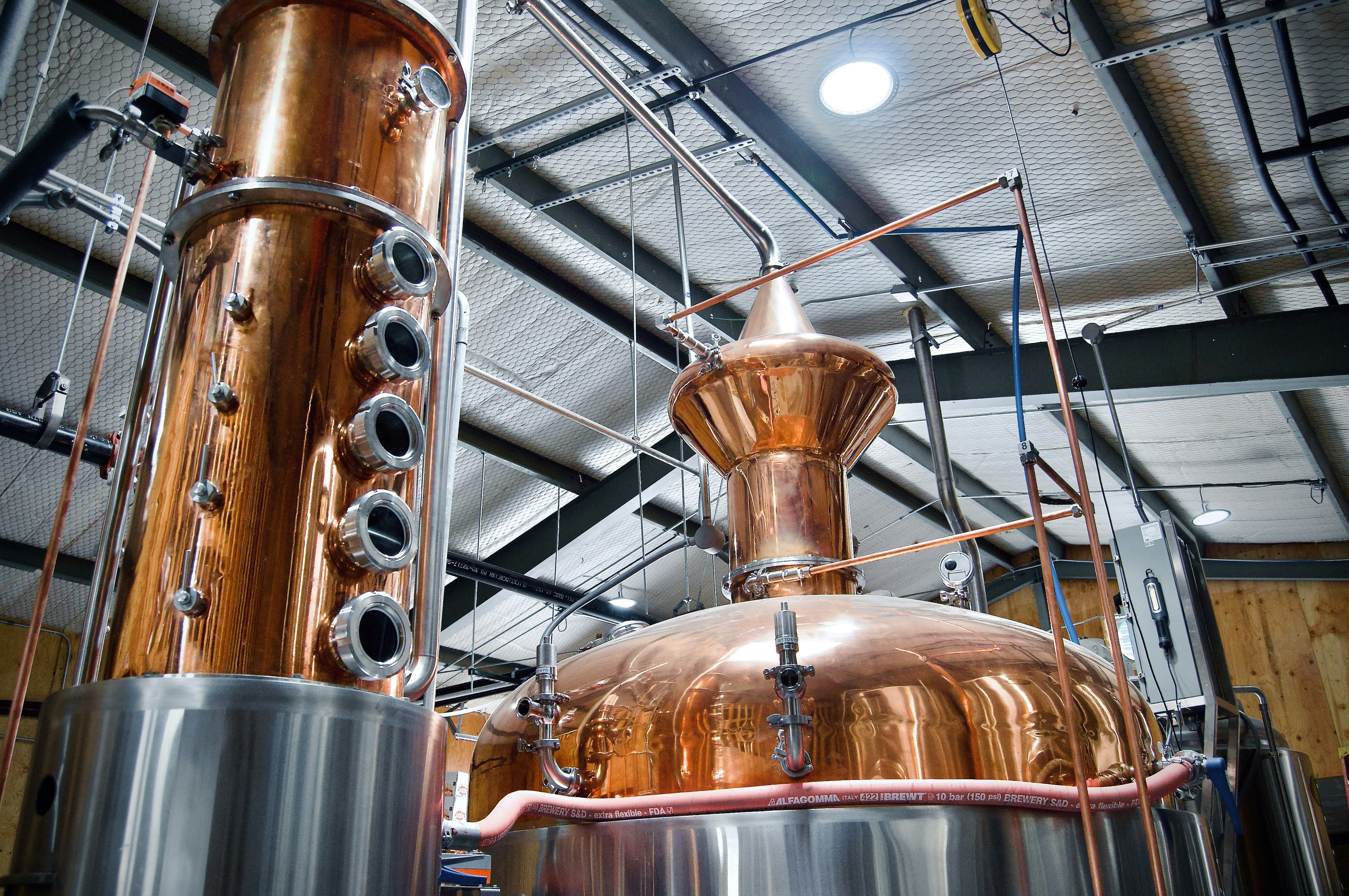
Seventy percent white corn. Twenty percent malted rye. Ten percent barley. The rest is time.
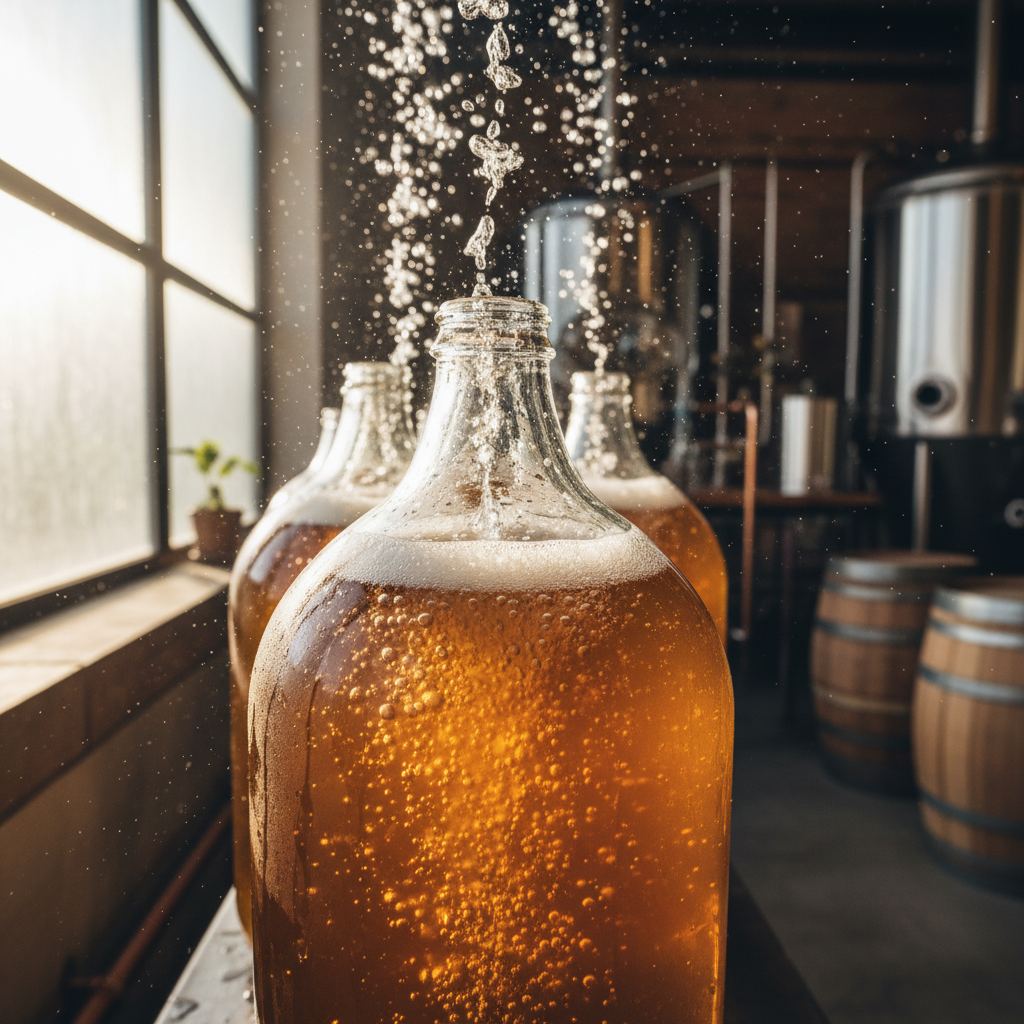
The mash bill hasn't changed since Harlan wrote it on the back of a feed receipt in 1974. Open-top wooden fermenters. Wild yeast from the hollow. Seventy-two hours minimum. We don't rush the ferment — that's where the character lives.
Shop the Run.
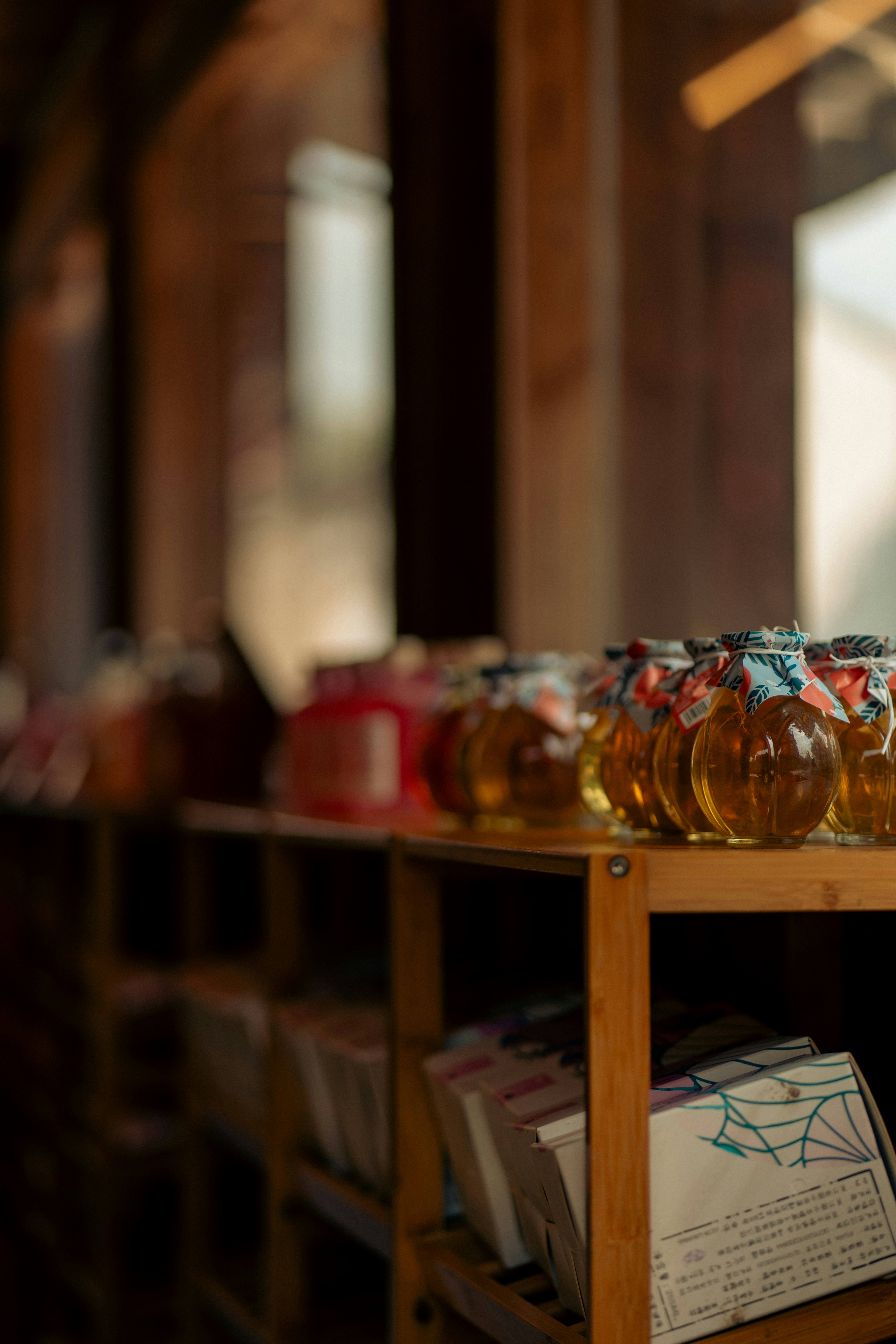
Every jar is numbered with a grease pencil before it leaves the hollow. When the run is gone, it’s gone.
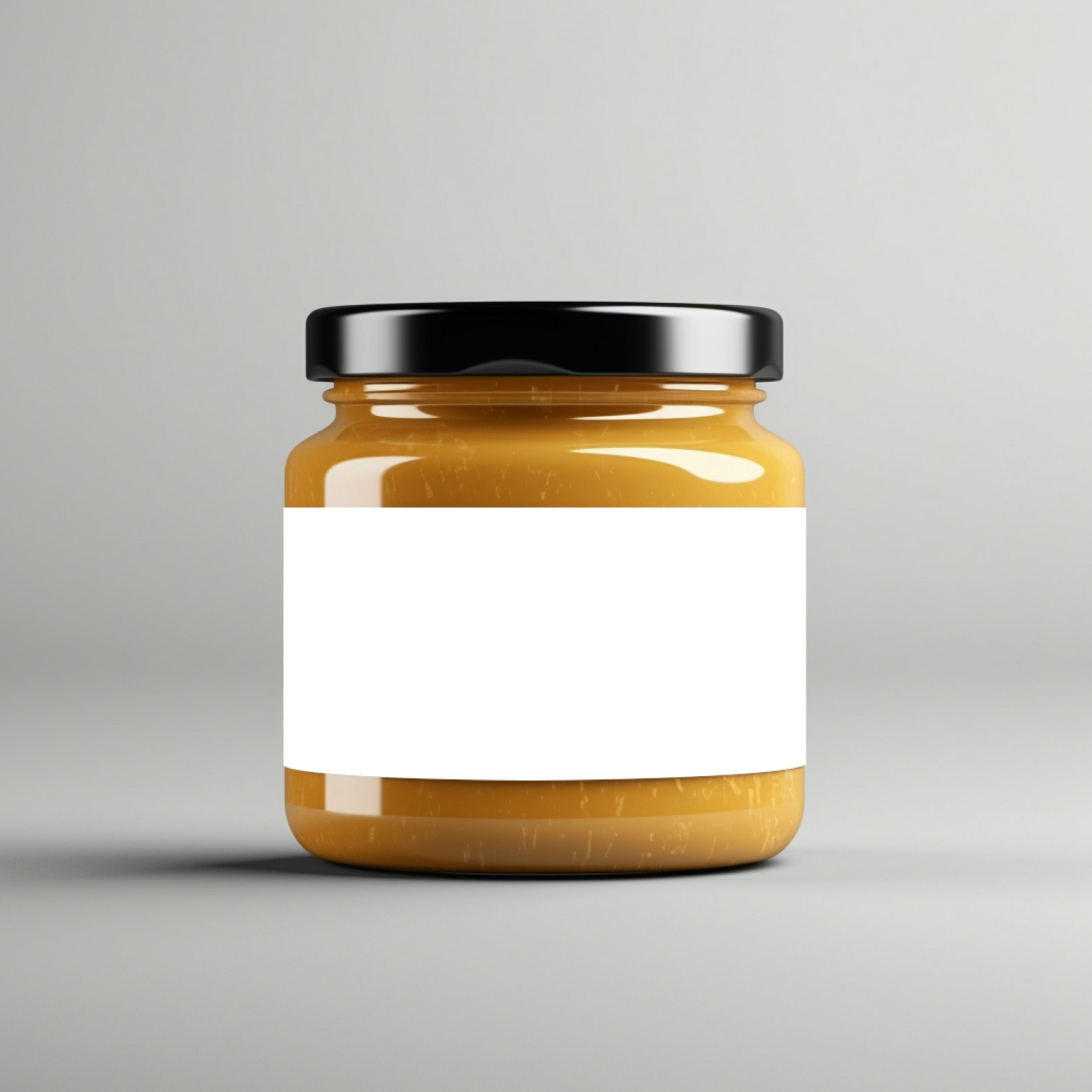
Hollow White
Unaged White Whiskey
70% white corn · 20% rye · 10% barley
“Smoke and honeycomb up front. Raw corn sweetness that opens into a clean mineral finish. The kind of thing that makes a Southside taste like a different drink.”
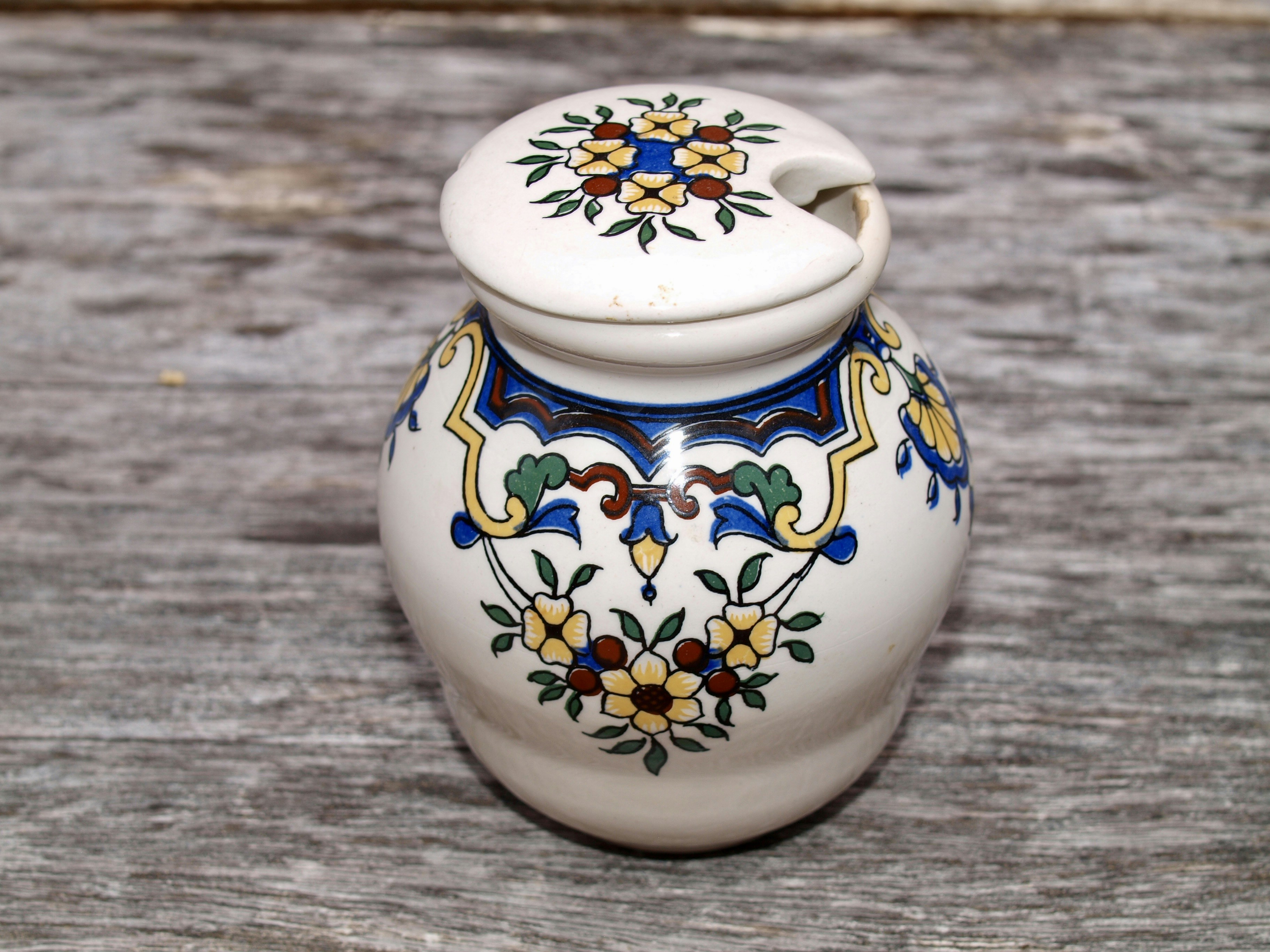
Limestone Spring
Spring Water White Corn
85% white corn · 15% malted barley
“Lighter and rounder than Hollow White. The spring water's mineral character is unmistakable — a clean, almost sweet nose with a long, slightly chalky finish.”
Smoked Rye
Applewood-Smoked Mash
60% rye · 30% white corn · 10% smoked barley
“The smoke is wood, not peat — applewood and charred corn husk. A full-proof rye backbone. This is what the bartenders come for.”
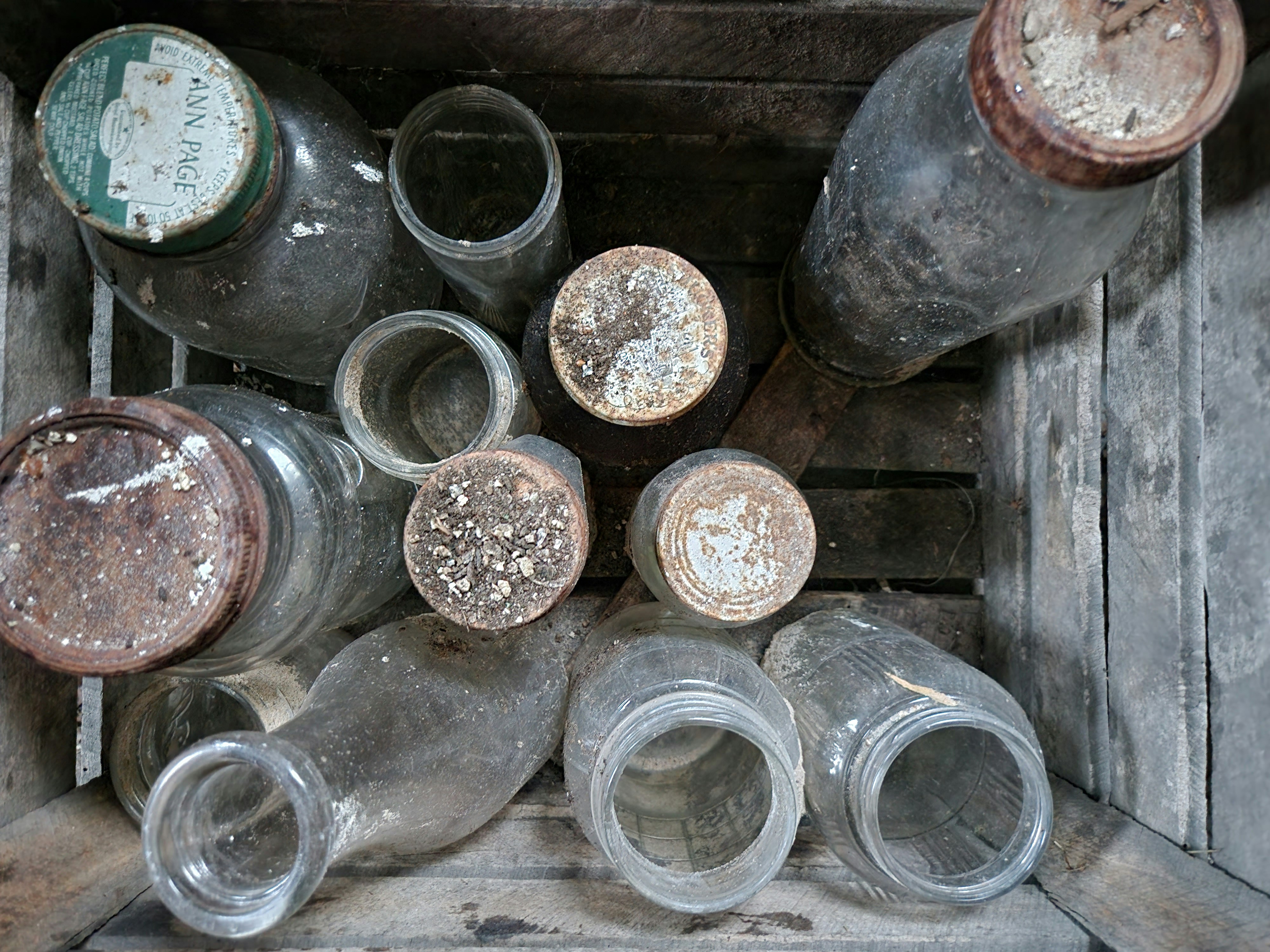
The Jar Box
Three-Jar Sampler
One Hollow White · One Limestone Spring · One seasonal selection
“Eli picks the third jar based on what's rested long enough. Sometimes it's the Smoked Rye. Sometimes it's something that never gets a name. Always worth the surprise.”
All spirits 21+ only · Must verify age and shipping state at checkout · No returns on opened product
Book the Stillhouse.
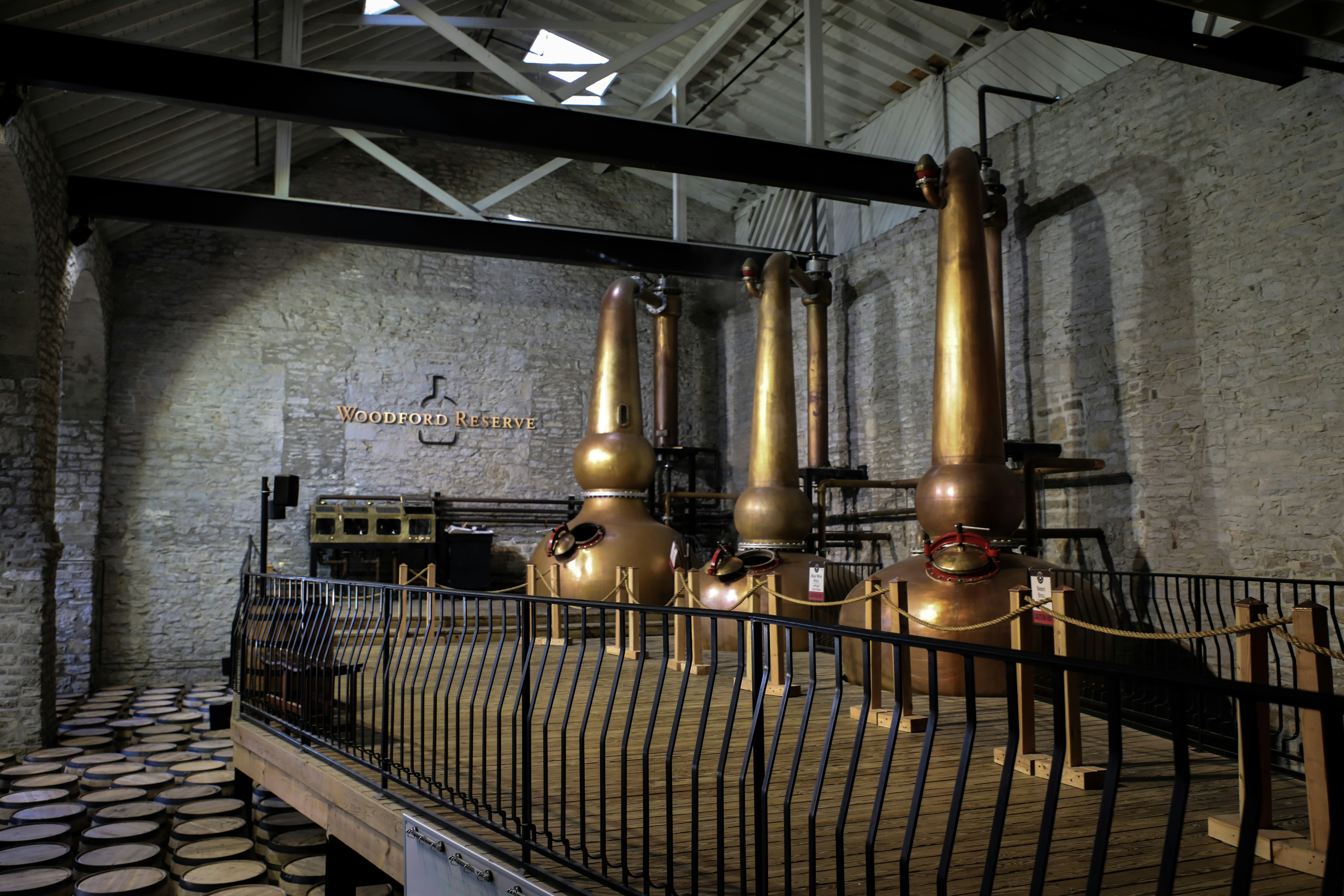
Private tastings for groups of two to eight. Two hours in the stone-walled stillhouse with Eli. You’ll taste from the still, hear the history, and leave with a hand-numbered jar from the current run.
Where are you shipping from?
Tasting availability depends on your state of residence.
per person
in the stillhouse
included per guest
From the people who pour it.
“I poured it blind at a staff tasting. Three out of four people thought it was aged. The smoke and honeycomb thing is real — you can build a whole cocktail around that single note.”
Marcus Thibodeau
Head Bartender, Clementine Bar · Nashville, TN
Hollow White · Run #44
“I've been stocking craft white whiskey for six years. Still is the first one I've reordered without a customer asking me to. It moves because it tastes like something.”
Priya Nair
Spirits Buyer, Westside Fine Spirits · Atlanta, GA
Limestone Spring · Run #42
“Someone at a dinner party poured me the Smoked Rye. I drove down the next Saturday. The gravel road is real. So is everything else.”
Owen Calloway
Curious drinker · Chattanooga, TN
Smoked Rye · Run #41
“The mash bill annotation on the jar is what got me. Most craft distilleries treat that as proprietary. Still just writes it on the label in grease pencil. That's either confidence or honesty. Probably both.”
Danielle Fong
Bar Director, The Larder · Asheville, NC
The Jar Box · Mixed Runs
“I used the Hollow White in a Corpse Reviver riff. The mineral finish from the spring water reads as almost citrus in that context. It's the most versatile white spirit I've worked with.”
Rashid Okafor
Cocktail Consultant · Knoxville, TN
Hollow White · Run #46
“I poured it blind at a staff tasting. Three out of four people thought it was aged. The smoke and honeycomb thing is real — you can build a whole cocktail around that single note.”
Marcus Thibodeau
Head Bartender, Clementine Bar · Nashville, TN
Hollow White · Run #44
“I've been stocking craft white whiskey for six years. Still is the first one I've reordered without a customer asking me to. It moves because it tastes like something.”
Priya Nair
Spirits Buyer, Westside Fine Spirits · Atlanta, GA
Limestone Spring · Run #42
“Someone at a dinner party poured me the Smoked Rye. I drove down the next Saturday. The gravel road is real. So is everything else.”
Owen Calloway
Curious drinker · Chattanooga, TN
Smoked Rye · Run #41
“The mash bill annotation on the jar is what got me. Most craft distilleries treat that as proprietary. Still just writes it on the label in grease pencil. That's either confidence or honesty. Probably both.”
Danielle Fong
Bar Director, The Larder · Asheville, NC
The Jar Box · Mixed Runs
“I used the Hollow White in a Corpse Reviver riff. The mineral finish from the spring water reads as almost citrus in that context. It's the most versatile white spirit I've worked with.”
Rashid Okafor
Cocktail Consultant · Knoxville, TN
Hollow White · Run #46
Some things are worth driving two hours down a gravel road for.
The run doesn’t wait. When the jars are gone, the next one starts from scratch.